Net zero, SBTi and transition plans
A net zero target is only as credible as the emissions inventory beneath it and the plan that delivers it. The GHG Protocol and ISO 14064 set how emissions are counted, including the Scope 3 categories that often make up the largest share of a footprint. ISO 14068-1 sets the rules for carbon neutrality claims, and the Science Based Targets initiative validates near-term and net-zero targets against climate science. SBTi published Corporate Net-Zero Standard V2.0 on 11 June 2026 and has paused commitments and validations for oil and gas companies, and both points matter directly in the GCC. A transition plan is the delivery document: IFRS S2 requires disclosure of a plan if one exists, and the IFRS Foundation now holds the guidance the Transition Plan Taskforce built. This collection runs from what net zero means, through GHG accounting and SBTi target setting, to transition plans and the SBTi Financial Institutions Net-Zero Standard for banks.
20 articles, in reading order
-

What is the meaning of Net Zero ?
While working with leading organizations committing to Net Zero, it is heartening to observe not only their public commitments but also their active efforts to embed…
Read insight → -

How to Become Net Zero ?
As organizations increasingly commit to Net Zero, the key question is not whether to act, but how to achieve it in a credible, science-aligned manner. Becoming Net Zero…
Read insight → -
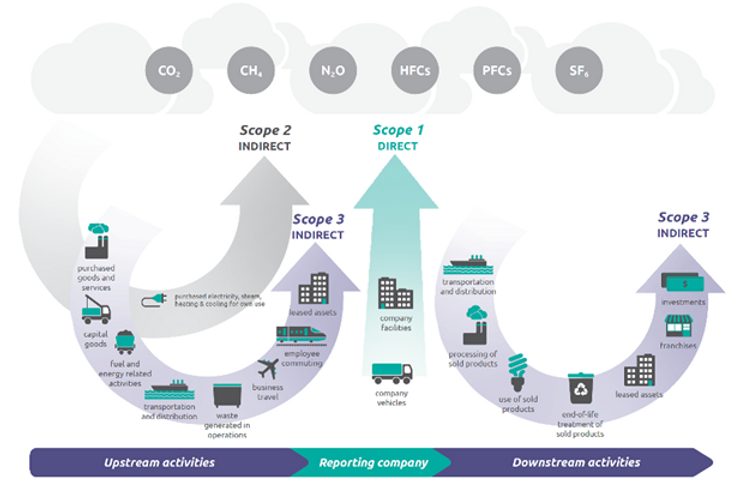
Decoding Scope 3 Emissions
A practical introduction to Scope 3 emissions, value-chain categories, emerging disclosure requirements and the business case for measuring indirect emissions.
Read insight → -

GHG Protocol vs ISO 14064: Which to Use for Emissions?
How the GHG Protocol and ISO 14064 compare for greenhouse gas accounting, why they are complementary rather than competing, and how to use them together in the GCC.
Read insight → -
ISO 14064: GHG Quantification and Verification Explained
How the ISO 14064 series works, Part 1 (organisation inventories), Part 2 (projects) and Part 3 (verification), and why it underpins credible, CBAM-ready emissions data.
Read insight → -

ISO 14083: Measuring Transport and Logistics Emissions
What ISO 14083 is, how it harmonises the calculation of greenhouse gas emissions across transport and logistics chains, and why it matters for GCC Scope 3 and fleet reporting.
Read insight → -

ISO 14068-1: The Carbon Neutrality Standard Replacing PAS 2060
What ISO 14068-1:2023 requires for credible carbon-neutrality and net-zero claims, how it differs from the retired PAS 2060, and what it means for GCC organisations.
Read insight → -
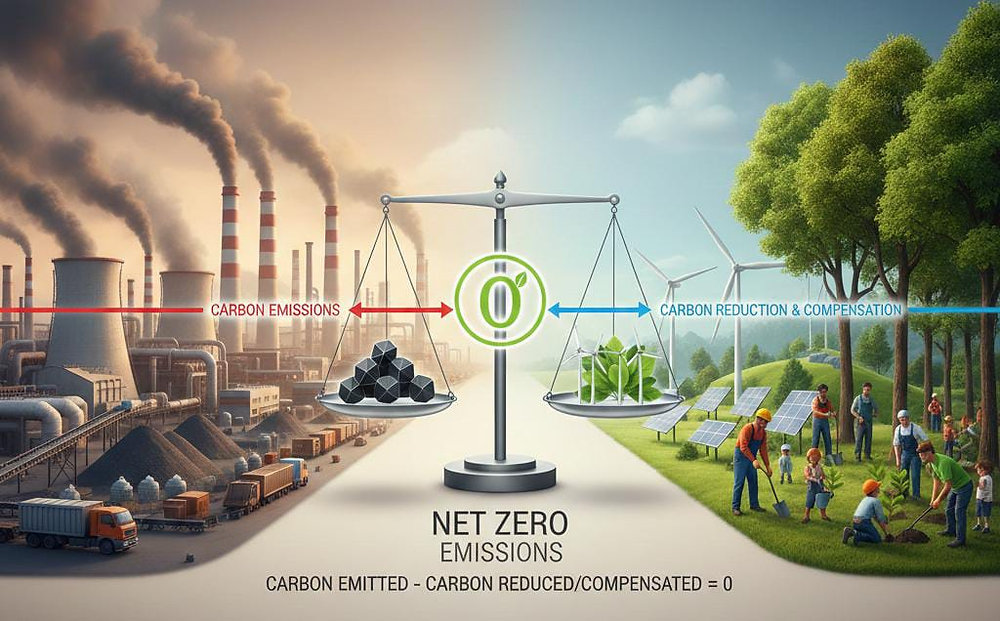
How to Achieve Carbon Neutral Certification ?
Carbon Neutrality means balancing the greenhouse gases (GHGs) an organization emits with the amount it removes or offsets, resulting in a net-zero impact on the climate. It…
Read insight → -

SBTi Near-Term and Net-Zero Targets for Corporates
A near-term target and a net-zero target are different commitments. What SBTi's current standards ask, what V2.0 changes, and where companies get the sequence wrong.
Read insight → -

Which SBTi Sector Guidance Applies to You?
SBTi publishes guidance for buildings, transport, steel, cement, maritime, FLAG, power, aviation, chemicals and apparel. What exists, its vintage, and why oil and gas has no route.
Read insight → -

SBTi FLAG: Land and Agriculture Emissions Explained
FLAG covers forest, land and agriculture emissions, which behave differently from fossil emissions and need their own targets. Why Gulf food importers are in scope.
Read insight → -

Who Owns Transition Plan Guidance Now: TPT, IFRS and GFANZ
Two of the three bodies behind transition plan guidance no longer exist in the form their documents suggest. What replaced them, and which framework to cite in 2026.
Read insight → -

IFRS S2 Does Not Require You to Have a Transition Plan
IFRS S2 requires disclosure of a transition plan if one exists, at paragraph 14(a). It does not require an entity to have one. The distinction changes who the real driver is.
Read insight → -

Is a Transition Plan Actually Required in Jordan or the GCC?
CBJ Regulations No. 2 of 2025 require climate risk management, not a transition plan. CBJ has signalled one for later. What a bank in Jordan owes its regulator today.
Read insight → -

How a Bank Builds a Climate Transition Plan
Eight steps, nine to fifteen months from a reasonable base. The financed emissions baseline is the schedule, and most programmes underestimate it.
Read insight → -

Financed Emissions or Customer Alignment: The FINZ Choice
SBTi's FINZ lets an institution focus on financed emissions or customer net-zero alignment. The two routes need different data and different client conversations.
Read insight → -

What FINZ Asks of Banks on Fossil Fuel Finance
SBTi FINZ requires a fossil fuel transition policy: no coal expansion finance, no project finance for new oil and gas expansion, and no corporate finance to expanders by 2030.
Read insight → -

Can Oil and Gas Companies Set SBTi Targets? Not at the Moment
SBTi is not validating fossil fuel company targets and paused its oil and gas standard in April 2025. Who is excluded, who is not, and what to do meanwhile.
Read insight → -
SBTi Corporate Net-Zero Standard V2.0: What Changes for Companies
SBTi published Corporate Net-Zero Standard V2.0 on 11 June 2026. Validation opens 1 February 2027 and V1.3.1 closes 31 January 2028. What changes, and what to do now.
Read insight → -

SBTi FINZ Deadline for Banks: What Changed and What FINZ Asks
There is no December 2026 FINZ deadline. SBTi extended the window, then in October 2026 kept both its bank frameworks open with no end date. What FINZ asks of a bank.
Read insight →


Related services
Other topics
- ISO management systems →
- UAE climate and environmental compliance →
- EU export rules: CBAM, methane and hydrogen →
- GCC and Jordan ESG disclosure →
- Carbon markets and credits →
- Nature, biodiversity and Estidama →
- Sustainable finance instruments →
- Climate risk and banking regulation →
- ESG ratings, CSR and supply chains →