EU export rules: CBAM, methane and hydrogen
The European Union now attaches climate conditions to what it imports, and GCC exporters meet them at the border. The Carbon Border Adjustment Mechanism entered its definitive regime in January 2026 for goods such as aluminium, steel and fertilisers, priced on their embedded emissions. Under the EU Methane Regulation, oil and gas supply contracts need monitoring, reporting and verification equivalent to the EU regime from 1 January 2027, and the Commission names OGMP 2.0 Level 5 with verification as a route to that equivalence. Hydrogen and ammonia sold into the EU as renewable fuels of non-biological origin count towards EU targets only when they meet the Renewable Energy Directive rules and hold certification. This collection begins with the product footprint standards behind all three: life cycle assessment, ISO 14067 and EPDs. It then covers CBAM, methane reporting under OGMP 2.0 and the RFNBO certification route for green hydrogen, and ends with the 2027 methane import deadline.
22 articles, in reading order
-

ISO 14040 & 14044: Life Cycle Assessment Explained
What ISO 14040 and 14044 are, how a life cycle assessment (LCA) works, and why LCA underpins product carbon footprints, EPDs and credible circular-economy claims.
Read insight → -

ISO 14067: Product Carbon Footprint (and Why CBAM Makes It Urgent)
What ISO 14067 is, how a product carbon footprint (PCF) is calculated, and why CBAM and customer demands are making product-level emissions data urgent for GCC manufacturers.
Read insight → -

ISO 14025 & EPDs: Environmental Product Declarations Explained
What ISO 14025:2026 is, how Environmental Product Declarations (EPDs) are built and published, and why GCC manufacturers are being asked for them.
Read insight → -

CBAM 2026: What the Definitive Regime Means for GCC Aluminium & Steel Exporters
The EU's Carbon Border Adjustment Mechanism entered its definitive regime in January 2026. What it costs GCC aluminium, steel and fertiliser exporters, and how to prepare.
Read insight → -

CBAM or a GCC Carbon Price? Who Should Keep the Revenue
CBAM lets exporters deduct an explicit carbon price paid at home, but the GCC has only voluntary markets. Should the Gulf introduce a domestic carbon price and keep the revenue?
Read insight → -

Methane and OGMP 2.0: The Basics
Why methane matters more than its volume suggests, what OGMP 2.0 is, and how its five reporting levels move a company from published averages to measured reality.
Read insight → -

What Is the EU Methane Regulation, and Why Does It Matter?
A plain explanation of Regulation (EU) 2024/1787: what it covers, why methane is treated separately from CO2, and why a rule made in Brussels reaches producers in the Gulf.
Read insight → -

Who Does the EU Methane Regulation Actually Impact?
The obligation sits on the EU importer, but it bites on the producer. Who is caught, who is not, and why a contract renewal counts as much as a new contract.
Read insight → -

OGMP 2.0 Explained: The Five Reporting Levels
OGMP 2.0 is the only measurement-based international methane reporting framework. The five levels, the jump that costs real money, and the six ways Gold Standard is lost.
Read insight → -
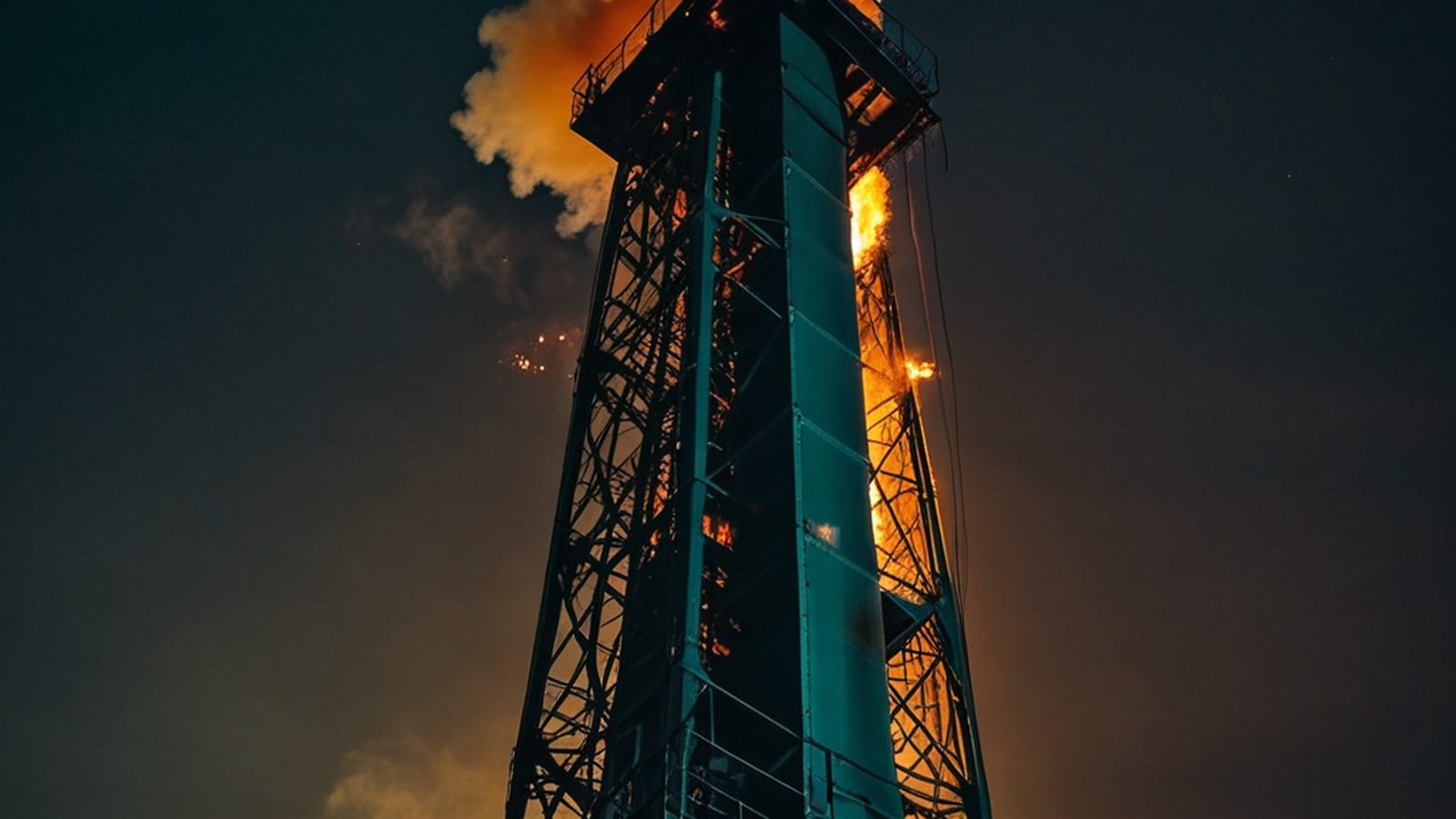
What Methane Measurement Actually Requires
Levels 1 to 3 are desk work on published factors. Level 4 and 5 need physical measurement, and the reconciliation between them is the part most programmes underestimate.
Read insight → -

OGMP 2.0 Gold Standard Pathway: The Year-One Position
A new OGMP 2.0 member can hold a recognised status in year one, before any measurement campaign completes. What Pathway requires, and why it matters against a 2027 deadline.
Read insight → -

OGMP 2.0 Level 5 and EU Import Equivalence
The European Commission names OGMP 2.0 Level 5 plus verification as a route to import equivalence. Level 5 is the hardest of the five levels, and membership does not reach it.
Read insight → -
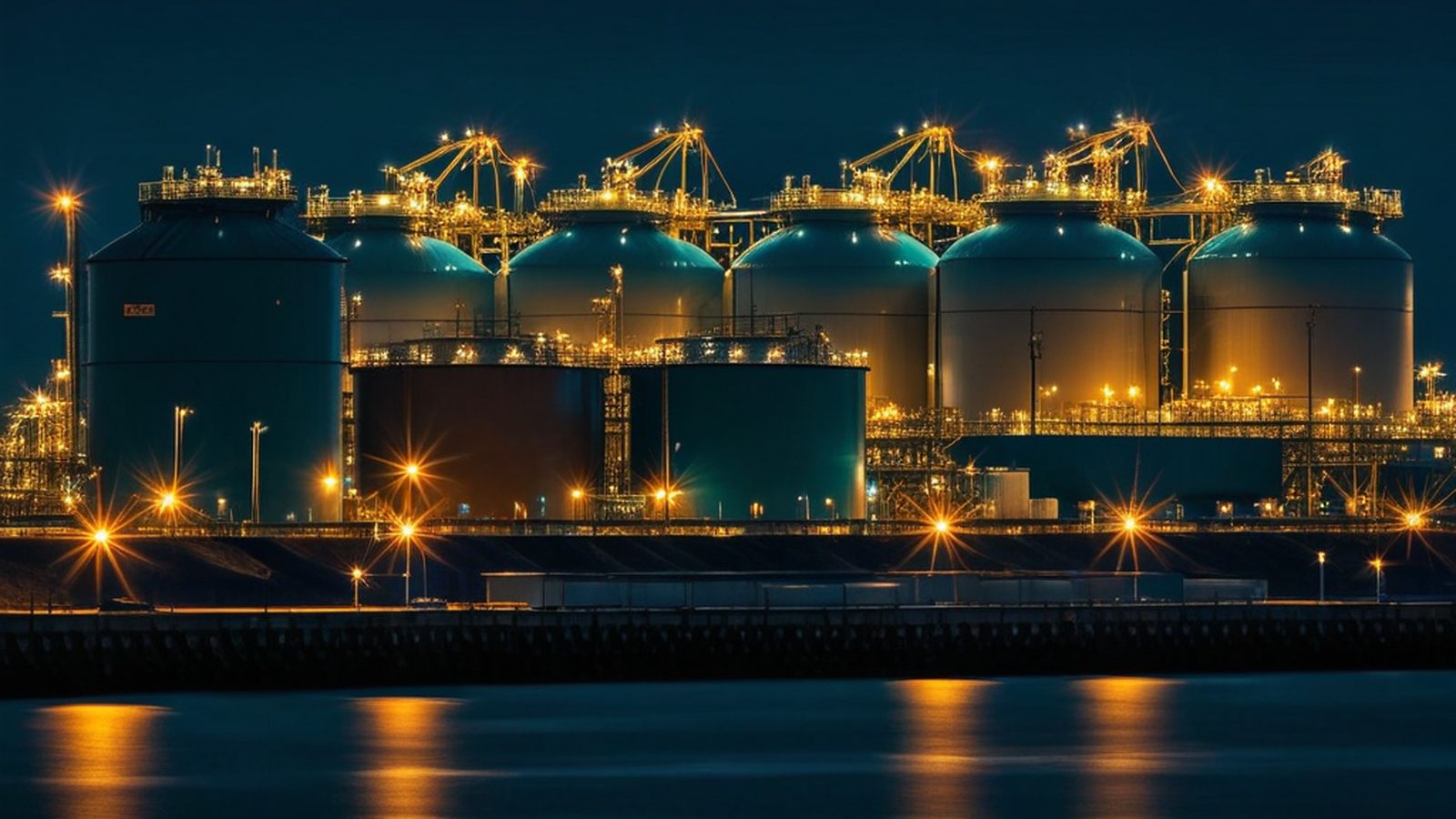
Why EU Methane Rules and OGMP 2.0 Matter for the UAE
The UAE sells LNG into Europe, hosted the charter that set a near-zero methane goal, and its national oil company already holds OGMP Gold Standard. What that leaves to do.
Read insight → -
What Is an RFNBO? How EU Law Defines Truly Renewable Hydrogen
RFNBO meaning explained: how RED II and RED III define renewable fuels of non-biological origin, and the 70% greenhouse gas saving that green hydrogen must achieve.
Read insight → -

Additionality, Temporal and Geographical Correlation: The Three Rules That Decide If Your Hydrogen Is Green
Hydrogen additionality, temporal and geographical correlation explained under EU Regulation 2023/1184, including monthly matching now and hourly matching from 2030.
Read insight → -

How to Calculate the Carbon Footprint of Green Hydrogen and Ammonia (RFNBO GHG Methodology)
The RFNBO greenhouse gas methodology under EU Regulation 2023/1185: the E formula, the 94 gCO2e/MJ comparator, and the 28.2 gCO2e/MJ pass mark, explained.
Read insight → -
CertifHy Explained: The Complete Guide to EU RFNBO Certification for Green Hydrogen and Ammonia
A complete guide to CertifHy and EU RFNBO certification for green hydrogen and ammonia: the rules, the 70% threshold, additionality, and the route to the EU market.
Read insight → -

CertifHy Pre-Certification vs Full Certification: What They Are and When You Need Each
CertifHy pre-certification vs full certification explained: the design-stage dry run, the operational audit process, timelines, and when each one applies.
Read insight → -
Green Ammonia Certification and the Co-Mingled Storage Problem
Green ammonia certification explained: how mass balance chain of custody works, why book and claim is not allowed, and how co-mingled storage is handled.
Read insight → -

RED III, the EU Hydrogen Bank and Why Certification Is Your Ticket to the European Market
How RED III and the EU Hydrogen Bank drive demand for certified RFNBO hydrogen, including the binding 2030 and 2035 industry sub-targets, and why certification matters.
Read insight → -
Certifying Green Hydrogen and Ammonia for Export from the GCC to Europe
How GCC producers certify green hydrogen and ammonia for export to Europe: the RFNBO route, the direct-connection advantage, shipping emissions, and storage.
Read insight → -

The EU Methane Regulation and the 1 January 2027 Import Deadline
Regulation (EU) 2024/1787 reaches past the EU border to the producers who supply it. From 1 January 2027, supply contracts need MRV equivalent to the EU regime.
Read insight →


Related services
Other topics
- ISO management systems →
- UAE climate and environmental compliance →
- GCC and Jordan ESG disclosure →
- Net zero, SBTi and transition plans →
- Carbon markets and credits →
- Nature, biodiversity and Estidama →
- Sustainable finance instruments →
- Climate risk and banking regulation →
- ESG ratings, CSR and supply chains →