Nature, biodiversity and Estidama
Nature has joined climate in corporate reporting and project finance. The Taskforce on Nature-related Financial Disclosures gives companies a framework built on the same four pillars as TCFD, and lenders that follow the Equator Principles apply IFC Performance Standard 6 to projects that affect habitats. In the GCC, coastal and renewable energy projects meet specific receptors: mangroves, coral reefs, nesting sea turtles, and birds and bats around wind farms. Each calls for baseline surveys and a mitigation hierarchy that avoids impacts before it offsets them. Abu Dhabi brings the built environment into scope through Estidama, where a Pearl rating is a condition of the building permit and only a certified Pearl Qualified Professional may submit a project. This collection begins with what biodiversity is and why it now appears in company reporting, covers TNFD, ESIA and IFC PS6, then the GCC receptors, and finishes with biodiversity credits and Estidama PQP certification.
17 articles, in reading order
-

What Is Biodiversity, and Why Is It Suddenly in Company Reporting?
Biodiversity, ecosystem services and natural capital are three different things. What each one means, who is asking you about them, and whether it applies to you yet.
Read insight → -

TNFD Explained: Nature-Related Disclosure for GCC Companies
TNFD borrows its structure from TCFD, but nature does not behave like climate. The four pillars, the LEAP approach, and what is worth preparing now.
Read insight → -

Beyond Carbon: Why GCC Portfolios Must Price "Nature Risk" Post-Belém
The "Amazon COP" turned biodiversity from a CSR nice-to-have into a Tier-1 financial risk. Is your portfolio exposed?Key Takeaways • Nature is the New Asset Class: The Global…
Read insight → -

ESIA & ESIA Scoping: The Umbrella Process for GCC Projects
What an Environmental and Social Impact Assessment (ESIA) is, why scoping matters, and how IFC and lender requirements shape ESIA for GCC infrastructure and energy projects.
Read insight → -

IFC Performance Standard 6: Biodiversity & Critical Habitat Explained
How IFC Performance Standard 6 (PS6) works, habitat classification, the mitigation hierarchy, critical habitat, and the net-gain requirement for lender-financed GCC projects.
Read insight → -
Critical Habitat Assessment under IFC PS6: What Triggers It
What a Critical Habitat Assessment is, the five IFC PS6 criteria that trigger it, how it is screened and confirmed, and what a net-gain outcome requires for GCC projects.
Read insight → -
The Mitigation Hierarchy & Biodiversity Offsets Explained
How the mitigation hierarchy works under IFC PS6, avoid, minimise, restore, offset, and what credible biodiversity offsets, no net loss and net gain actually require.
Read insight → -
Biodiversity Baseline & Adaptive Management for Renewables
Why a robust biodiversity baseline matters, the limits of single-season data, and how an adaptive management framework keeps IFC PS6-aligned renewable projects compliant.
Read insight → -
Bird & Bat Surveys for Wind Farms: VP Method & Collision Risk
How vantage point (VP) bird and bat surveys work, what NatureScot and BCT guidance require, and how the data feeds collision risk modelling for IFC-aligned wind projects.
Read insight → -
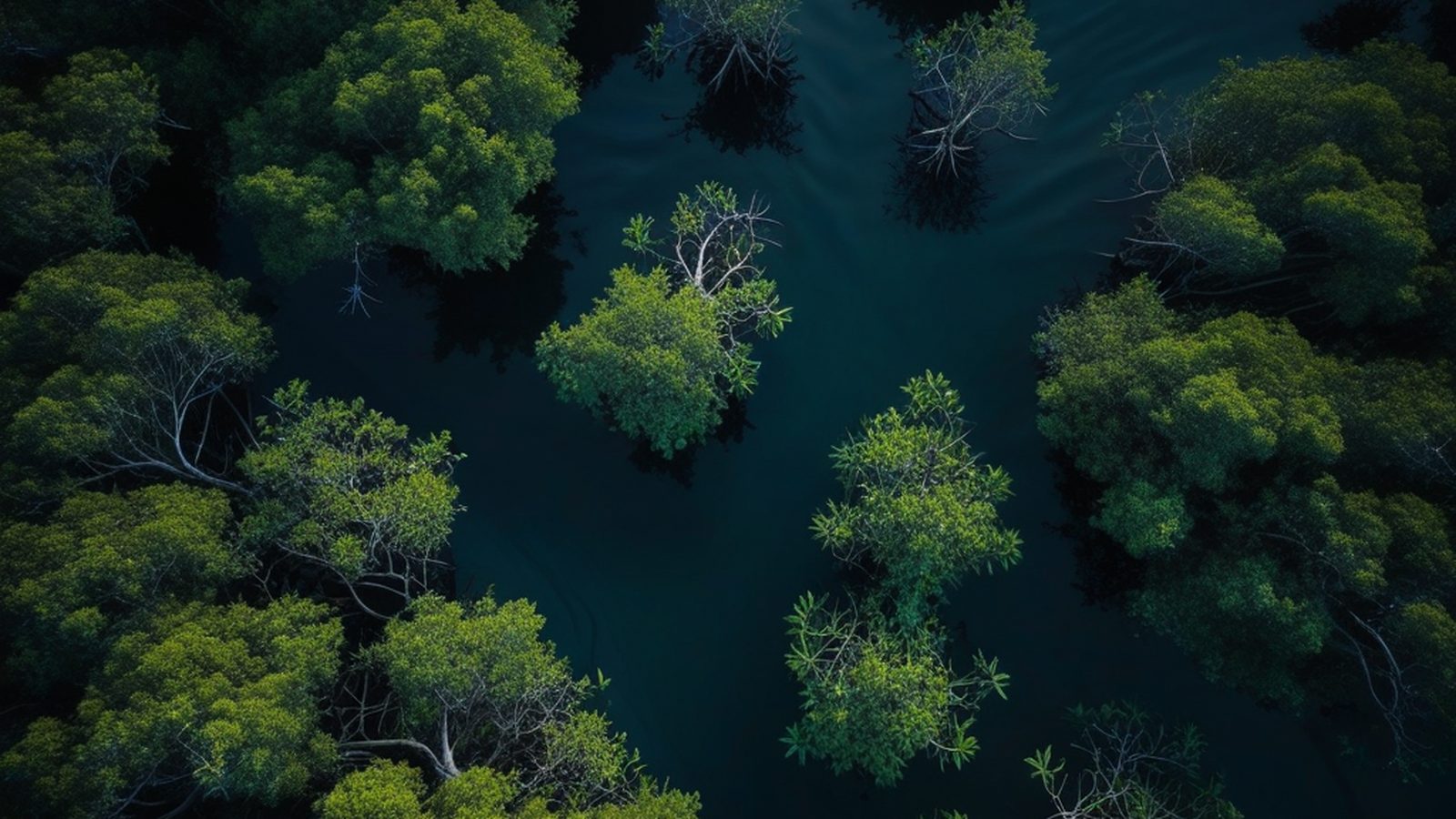
Mangroves in the UAE: Blue Carbon, Offsets and What Developers Must Assess
Mangroves carry three arguments stacked on one habitat. Why planting is not sequestration, why hydrology matters more than clearance, and what a project nearby triggers.
Read insight → -
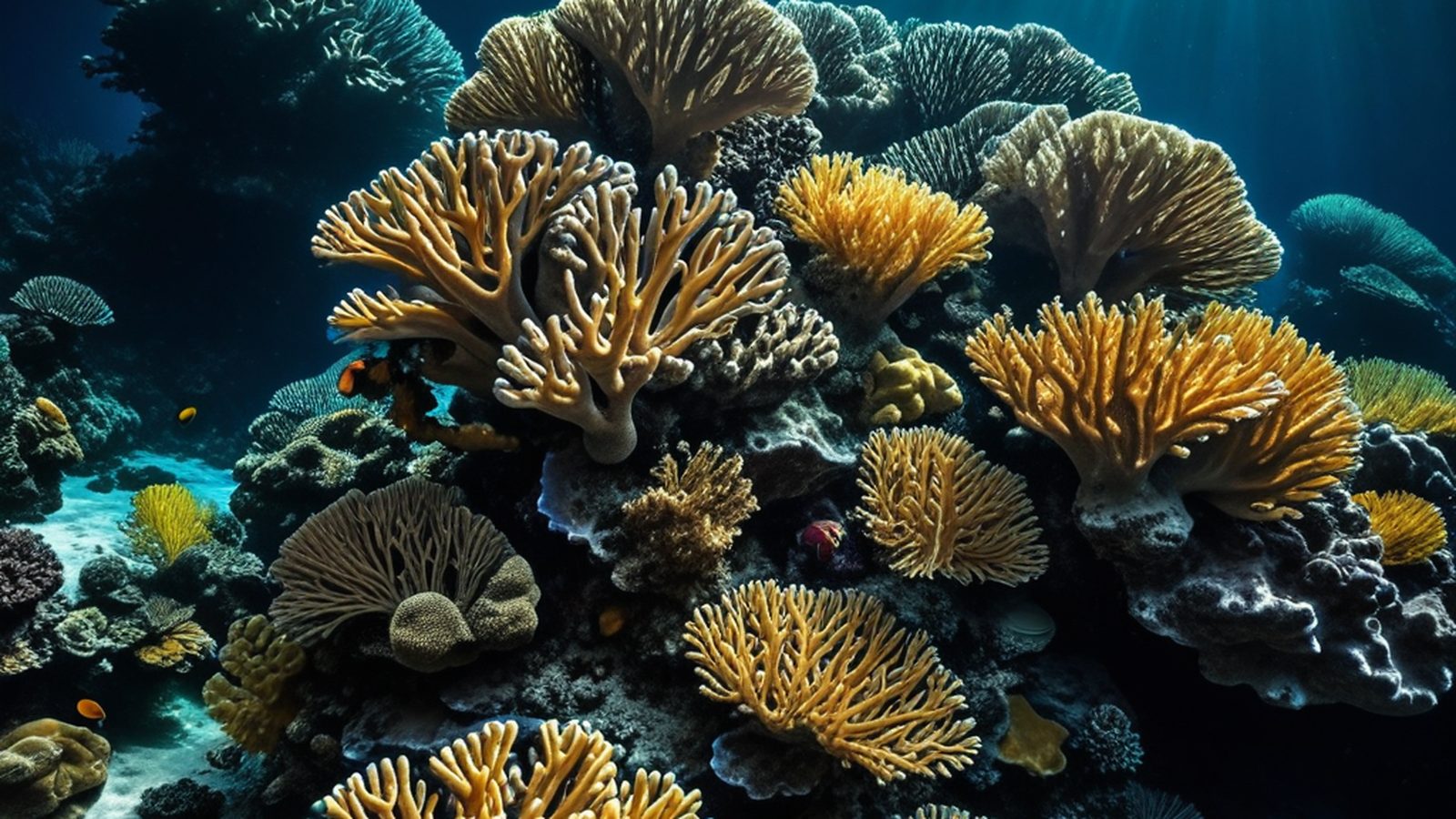
Coral Reefs and Coastal Development in the GCC: What an ESIA Has to Cover
Gulf corals already live near their thermal limit, which changes how any additional stressor is read. The three impact pathways, and why turbidity catches projects out.
Read insight → -

Sea Turtle Nesting and GCC Coastal Projects: What Triggers an Assessment
Turtle presence rarely stops a project. It constrains when and how you can work, and the lighting design is the impact that lasts for the whole operational life.
Read insight → -

Biodiversity Credits, and How They Differ From Carbon Credits
The carbon analogy breaks immediately, because biodiversity is not fungible. What a credit tries to represent, how to judge a scheme, and an honest read on maturity.
Read insight → -

Estidama PQP certification: requirements, exams and process
What Pearl Qualified Professional certification involves in Abu Dhabi: the three Pearl rating systems, which exam applies to which project scale, and the PBRS exam format.
Read insight → -

Pearl Building Rating System: what a PQP does on a building project
The Pearl Building Rating System explained: what PBRS assesses on a building project in Abu Dhabi, how Pearl ratings are awarded, and the role of the Pearl Qualified Professional.
Read insight → -

Pearl Community Rating System: PQP responsibilities and project stages
The Pearl Community Rating System explained: what PCRS assesses at master-plan scale, its credit categories, and how it differs from PBRS and PVRS.
Read insight → -

Pearl Villa Rating System: PQP requirements for villa projects
The Pearl Villa Rating System explained: what PVRS requires of villa projects in Abu Dhabi, its credit categories, and how it compares with PBRS.
Read insight →


Related services
Other topics
- ISO management systems →
- UAE climate and environmental compliance →
- EU export rules: CBAM, methane and hydrogen →
- GCC and Jordan ESG disclosure →
- Net zero, SBTi and transition plans →
- Carbon markets and credits →
- Sustainable finance instruments →
- Climate risk and banking regulation →
- ESG ratings, CSR and supply chains →